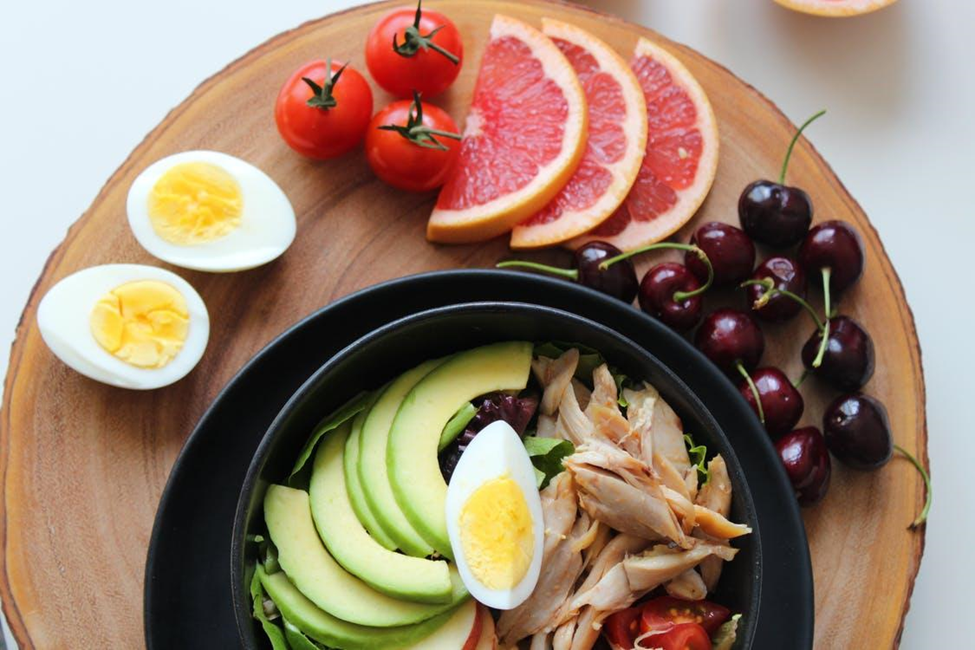






In the cold winter, night falls early, and the body’s circadian rhythm changes accordingly. Experts recommend adjusting dinner time and eating dinner earlier. This not only aligns with the body’s natural rhythms but also improves metabolic efficiency, sleep, and overall health. The earlier you eat dinner in winter, the warmer and healthier you’ll feel.
I. The Subtle Relationship Between Biological Rhythms and Eating Time
The body’s circadian rhythm controls hormone secretion, digestion, and metabolic rate. Synchronizing dinner time with this rhythm allows the body to process food more efficiently.
- Studies show that eating dinner between 5:30 PM and 7:00 PM is ideal, and you should avoid eating for at least 2-3 hours before bedtime.
- Eating dinner too late (e.g., 10 PM) results in a 20% higher blood sugar peak and a 10% lower fat burning rate, increasing the risk of obesity and diabetes.
- A meta-analysis of 29 trials indicates that eating dinner early, combined with smaller, more frequent meals, can better control weight and improve metabolic indicators.

II. Three Major Benefits of Eating Dinner Earlier in Winter
As temperatures drop, the benefits of eating dinner earlier become particularly apparent.
- Promotes Fat Burning
Eating breakfast and dinner helps maintain a high metabolic rate, allowing the body to burn fat while it’s still active. - Improves Sleep Quality
Avoiding food before bed prevents acid reflux and digestive burden, leading to deeper sleep. - Stabilizes Mood and Energy
Eating in accordance with your biological clock helps regulate hormone secretion, boosting daytime energy and nighttime calm.
III. How to Adjust Your Meal Times in Winter?
- Plan your dinner between 5:30 PM and 7:00 PM, arranging a reasonable interval between dinner and sleep.
- Maintain a balanced diet, paying attention to calorie distribution. Consume high-calorie foods during the daytime whenever possible.
- For those working night shifts or commuting late, replenish energy with breakfast and lunch, and choose light meals for dinner.
- Maintain a regular sleep schedule to avoid conflicts between mealtimes and sleep.

IV. Winter Dietary Tips
Winter diets should also follow the principle of “eat hot food in the morning and cool food in the evening.” Breakfast and lunch can consist of warm foods such as lamb and carrots to replenish Yang energy; dinner is better suited to cooling foods such as fish, tofu, and cabbage to promote sleep and the preservation of Yang energy.
Eating dinner earlier in winter is not just about adjusting the time, but also about aligning with the body’s rhythm. Understanding how to harmonize with the rhythms of nature allows every meal to become a healthy starting point, warming and nourishing every day and night of this cold season.