






The plank, a simple yet profoundly powerful posture, is the epitome of core strength. From the ground to the mind, it not only forges muscles but also cultivates unwavering willpower. A perfect plank is like a silent vow, a pact of harmony and strength for the body.
I. Core Elements of the Plank
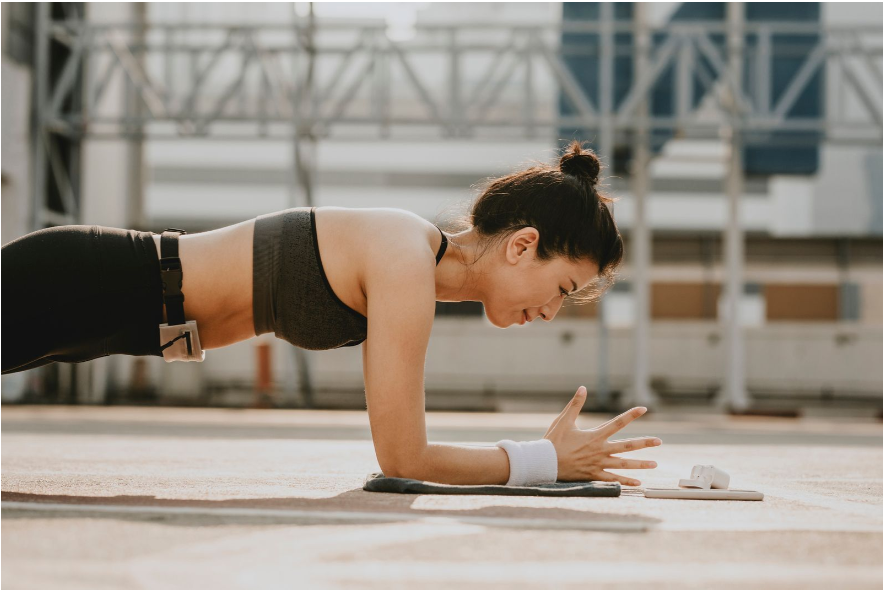
Mastering the correct posture is the first step. The body should be in a straight line, avoiding sagging or raising the hips. The weight should be evenly distributed across the forearms and toes, with shoulders vertically positioned directly above the elbows. Eyes should be level with the ground, keeping the neck naturally extended.
- Body Posture: Maintain a straight line from the back of the head to the heels, avoiding sagging of the lower back or raised hips.
- Shoulder and Elbow Position: Shoulders should directly cover the elbows, reducing shoulder strain.
- Breathing Rhythm: Breathe deeply and evenly, avoiding holding your breath and maintaining oxygen supply.
These three key elements constitute the framework and lifeline of the plank.
II. Step-by-Step Progression: How to Train Endurance

Beginners can start by holding the position for 20-30 seconds, completing sets, and gradually increasing to one to three minutes or even longer. Maintaining focus and avoiding posture errors are the keys to success in endurance challenges.
- Rest for 30-60 seconds between sets to prevent excessive muscle fatigue.
- Use a timer or breathing guidance to ensure accurate timing.
- Record your time regularly to motivate yourself to continuously push your limits.
Endurance is a combination of patience and method; gradual progression is the secret to balance.
III. Common Posture Errors and Correction Techniques
- Hip Raise: Lower your hips to maintain a straight line; you can adjust this by touching your pelvis.
- Lower Back Slump: Actively tighten your abdominal muscles to avoid pressure on your lower back.
- Shoulders Leaning Forward: Slightly retract your shoulder blades and pull your shoulders back to stabilize your upper body support.
Pay close attention to your body’s feedback; the quality of training exceeds the length of time.
IV. Variations and Extensions of the Plank
To avoid monotony, you can enrich your training by incorporating various movements, such as side planks, leg raises, and alternating shoulder touches, to enhance overall core strength and body coordination.
- Side planks strengthen the obliques and hips.
- Leg raises increase gluteus maximus and leg strength.
- Alternating shoulder touches improve shoulder stability and balance.
Diverse training transforms monotony into richness, allowing you to reach your peak.
V. Precautions During Regular Training
- Keep your abdomen tight to avoid internal organ pressure.
- Stop immediately if you experience discomfort to avoid lower back or shoulder pain.
- Combine with stretching and relaxation to protect joint and muscle health.
The perfect plank is an elegant aspiration that challenges both the body and the mind.
The perfect plank is the embodiment of body belief. It infuses life with resilience and vitality through perseverance and focus. Every firm support tells a story of self-discipline and strength. May you see your truest self on this simple straight line.