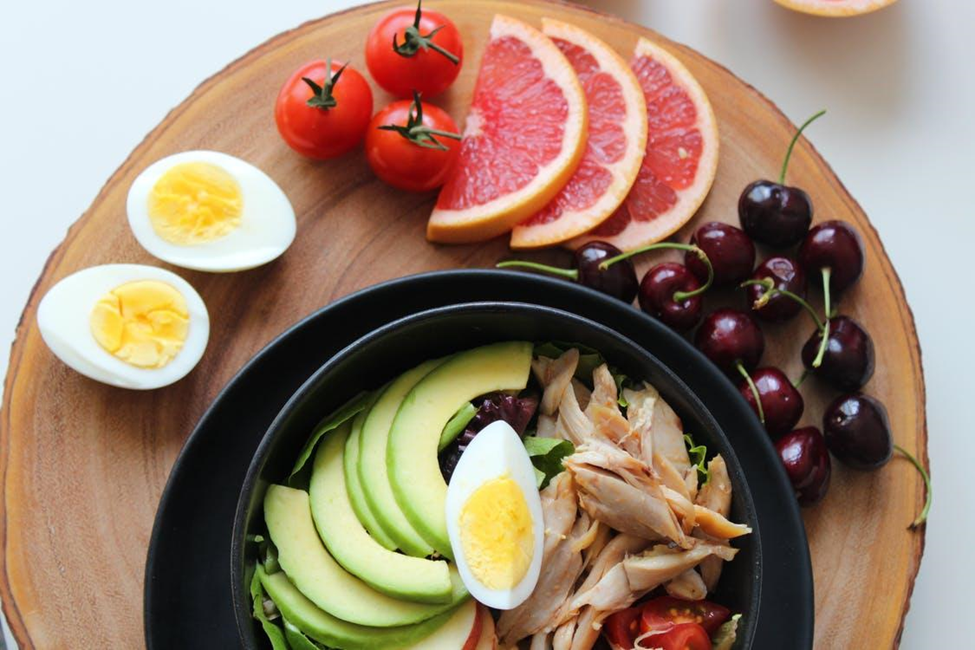






Sweat has dried, and muscles are calling for repair—that’s when a homemade protein burger comes in handy: a crispy exterior encasing a high-protein filling, offering both a treat for your taste buds and fuel for your body. It breaks the myth that “healthy = tasteless,” transforming post-workout hunger into a pleasurable ritual.
I. Why Eat a Protein Burger After Workout?
The golden window is 30-60 minutes after training. Every 100g of muscle repair requires 20-30g of protein. The burger format is easily digestible, has a balanced calorie intake, and is superior to raw protein powder, aiding in creatine synthesis and reducing lactic acid buildup.
- Protein Sources: Chicken breast, ground beef, fish fillets, or plant-based protein, at least 25g per serving.
- Carbohydrate Supplement: Whole-wheat bread or oat biscuits to provide glycogen for energy restoration.
- Micronutrient Supplements: Avocado, nuts, providing healthy fats to aid absorption.
This isn’t a cheat meal, but a scientifically sound post-workout nutritional supplement. ***
II. High-Protein Burger Recipes: Three Practical Versions
Classic Chicken Breast Burger (28g protein per serving, 450kcal)
- Ingredients: 150g chicken breast (tenderized), whole wheat burger bun, lettuce, tomato, yogurt sauce (Greek yogurt + mustard).
- Steps: Pan-fry chicken with salt and pepper until golden brown, place in the bun, add lettuce and press firmly. Ready in 5 minutes.
- Benefits: Lean protein + fiber, weight control without bloating.
Vegetarian Beef Ground Meat Version (26g plant protein, 420kcal)
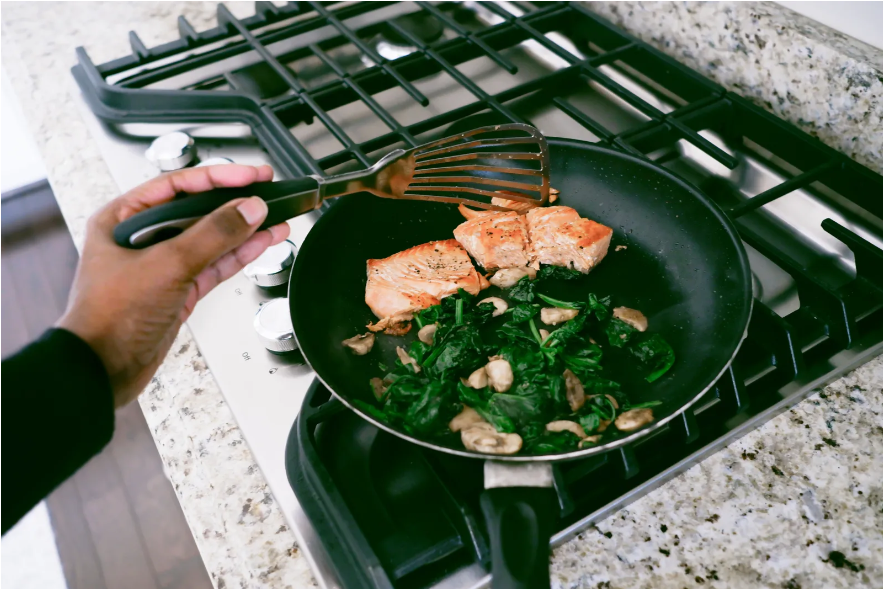
- Ingredients: 150g plant-based ground meat, oat burger patty, mushrooms, shallots, sesame sauce.
- Steps: Pan-fry plant-based meat until fragrant, add roasted vegetables, drizzle with sauce and press firmly. A top choice for vegetarians.
- Benefits: Isoflavones + beta-glucan, double repair.
Seafood Medley (Fish + Shrimp, 30g Protein, 480kcal)
- Ingredients: 100g salmon fillets + 50g shrimp, whole wheat bagel, pineapple slices, yogurt mayonnaise.
- Steps: Pan-fry the double protein, sandwich with bagel and fruit to cut the richness.
- Benefits: Omega-3 anti-inflammatory, accelerates recovery.
These recipes are like quick-acting pills, best consumed immediately after exercise.
III. Nutritional Balance Tips: More Than Just Protein
A burger is more than just a patty: Vegetables make up 1/3 of the plate, carbohydrates controlled at 50g, healthy oil 10g, avoiding empty calories.
- Upgraded Sauce: Homemade yogurt tartare, replacing mayonnaise for weight loss.
- Bread Selection: Whole grain or low-GI bread, stabilizing blood sugar.
- Portion Control: Diameter within 12cm, locking in 500kcal.
Balance is like a symphony; a solo performance from protein isn’t enough, the whole score is what makes it beautiful.

IV. Timing and Contraindications
- Optimal Window: Within half an hour after training, with 300ml of water.
- Frequency: 3-4 times per week, rotating to avoid monotony.
- Consider this group: Reduce dosage for those with poor kidney function; vegetarians should supplement with B12.
Timely replenishment ensures muscle growth; delay will negate all previous efforts.
V. Variations: Adjust according to training type
- Strength Day: Add cheese and eggs to increase calories and aid muscle growth.
- Cardio Day: Lean meat + plenty of vegetables to control calories and burn fat.
- Rest Day: Switch to light meal wraps or protein salads.
A burger is like a universal key, unlocking different training codes.
A post-workout protein burger is not a compromise, but a smart choice: deliciousness wrapped in science, providing satiety and renewed strength. When you take the first bite, your muscles cheer, your taste buds sing—this is the complete symphony of fitness.