





The back is the solid support behind the body and an important carrier of physical beauty. A well-defined back not only improves overall posture but also effectively alleviates neck and shoulder pain and hunchback problems. Scientific and systematic training is key to sculpting this muscular canvas.
I. Understanding the Back Muscle Groups
The back muscles mainly include the trapezius, latissimus dorsi, and rhomboid muscles around the scapula, as well as the erector spinae muscles that support the spine. These muscle groups work together to stabilize and move the scapula, maintaining upright posture and balance.
Understanding muscle structure helps with precise training and avoids sports injuries.
II. Basic Movements: A Solid Foundation from the Beginner
- Seated Row
- Adjust your sitting posture, ensuring your chest is firmly against the support cushion and your core is engaged.
- Grip the handles with both hands, pull your elbows back, and slowly squeeze your shoulder blades together.
- Recommended sets: Beginners: 3 sets of 12-15 reps each.
- Lat Pull-Down
- Grip the bar with hands slightly wider than shoulder-width apart, maintaining the natural curve of your spine.
- Use your latissimus dorsi muscles to pull the bar down to just below your collarbone.
- Recommended sets: 3 sets of 10-12 reps each.
- Bent Over Row
- Lean slightly forward, holding dumbbells or a barbell, keeping your elbows close to your body as you pull the bar upwards.
- Engage your core and keep your back straight.
- Beginners should start with light weights and aim for 3 sets of 12 reps each.
Basic exercises are the foundation for back strength and definition; proper form is more important than reps or weight.
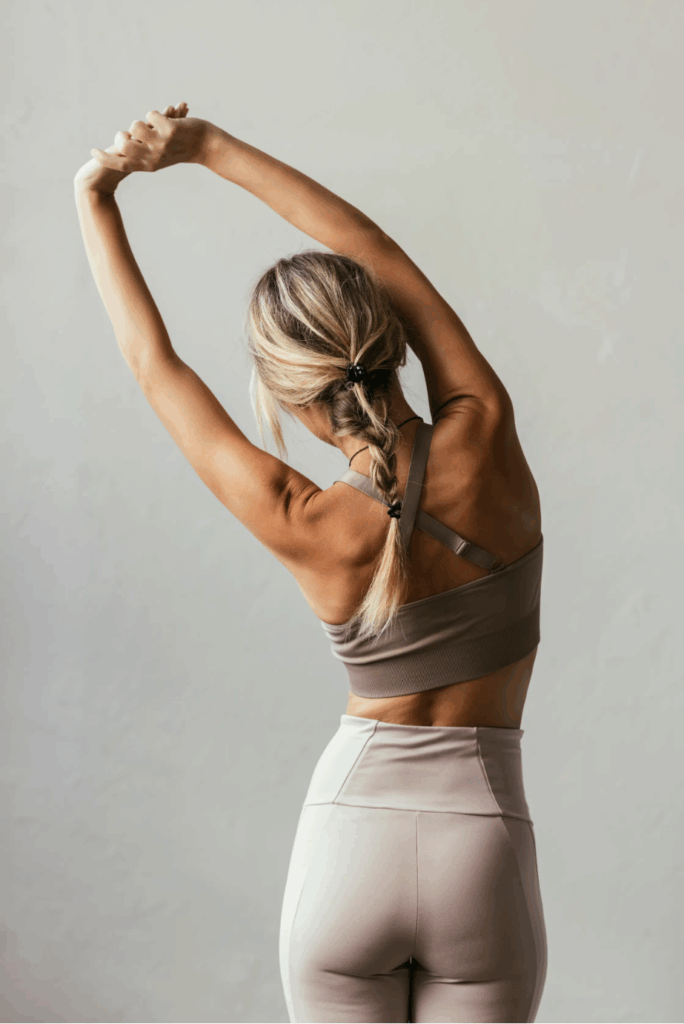
III. Advanced Training: Accelerating Back Development
- Reverse Fly
- Standing or seated position, hold dumbbells in both hands, arms extended to shoulder height, shoulder blades squeezed together.
- 3 sets of 10-12 reps each, strengthening the scapula and trapezius muscles.
- Straight Arm Pull-Down
- Using a pulley machine, keep arms straight and pull down, feeling the latissimus dorsi muscles engage.
- 3 sets of 12 reps each, effectively increasing back width.
- Deadlift
- Classic compound exercise, strengthening the erector spinae and lower back.
- Prioritize safety, use moderate weight, 3 sets of 8-10 reps.
Advanced exercises provide more comprehensive muscle stimulation and are a key step in sculpting a beautiful back.
IV. Stretching and Recovery: Balancing Protection and Flexibility
Stretching after exercise helps prevent muscle stiffness and injury. Common stretching exercises include scapular compression stretches and cat-cow spinal movements, which help relieve tension and improve posture.
Appropriate rest and alternating hot and cold compresses help muscles recover and increase elasticity, building strength for the next training session.
V. Cultivating a Beautiful Back in Daily Life
- Maintain correct posture and avoid prolonged slouching.
- Regularly move your shoulders and neck to reduce muscle fatigue.
- Pay attention to your diet and supplement with protein to promote muscle repair.
A beautiful back stems from daily care and consistency.
Correcting a hunched back, tightening lines, and sculpting a beautiful back is not only a sculpting of the body but also a manifestation of confidence. Use scientific methods to nurture this resilience and be the most beautiful version of yourself every day.